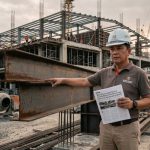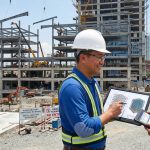
Carbon Steel Plate is the best choice for the fabrication of numerous shapes and applications. Commonly used in the construction of bridges, buildings and ships, it’s also utilized in the fabrication of base plates, braces, liners, brackets, storage tanks, steel structure. This steel is particularly receptive to many work ability requirements – it can be, welded formed, machined, sheared, drilled, sawed, punched, bolted and riveted.
Carbon Steel Plate’s main interstitial alloying constituent is carbon, hence the name, at a variety of concentrations. As carbon percentage content rises, steel has the ability to become harder and stronger through heat-treating. high carbon steel is very strong. Low carbon steel is more malleable.
Types of Carbon Steel Plates and Their usage
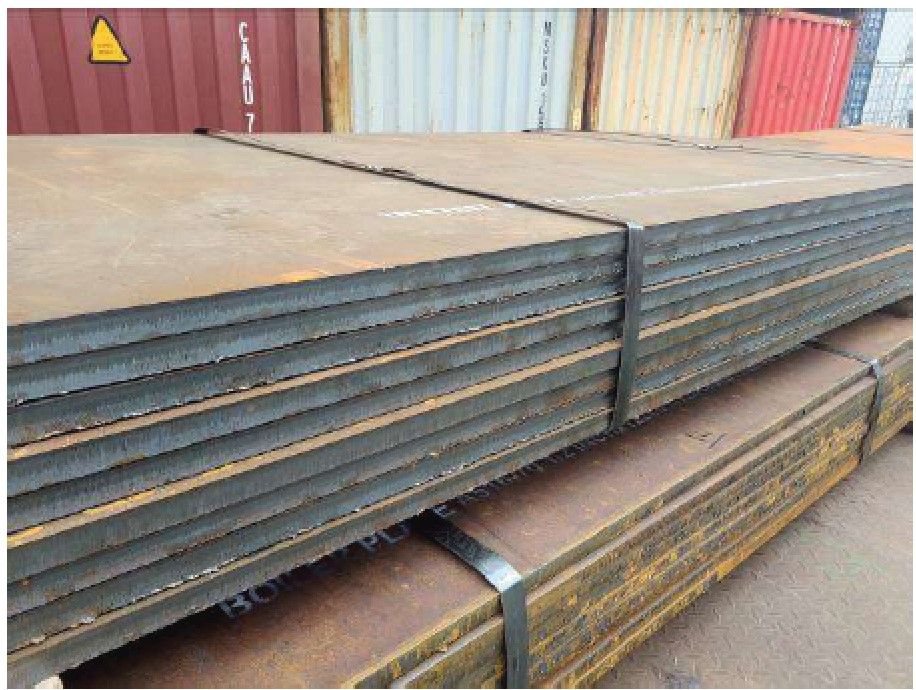
Carbon Steel Plate
Carbon steel plates are essential components in the construction industry. They provide the necessary strength and durability for building structural frameworks, bridges, and other vital infrastructure projects. Explore our range for top-quality options to meet your construction needs.
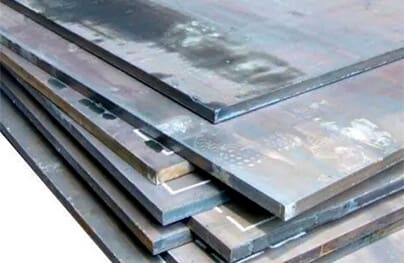
Boiler Steel Plate
These are high-pressure plates generally used in designing vessels, boilers, and heat containers. Carbon boiler steel plates have low corrosive property and can withstand low heat. Several layers of either chromium or nickel are added to make it suitable for usage in various environments.
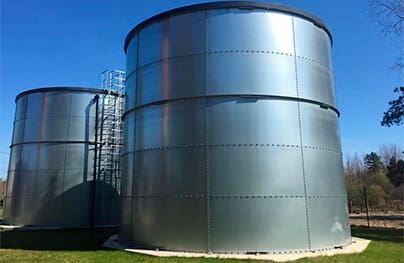
Storage Tank Steel Plate
These plates are used for building of oil and gas tanks, storage tanks, water tanks, and tanks for storage other all kinds of stuffs.
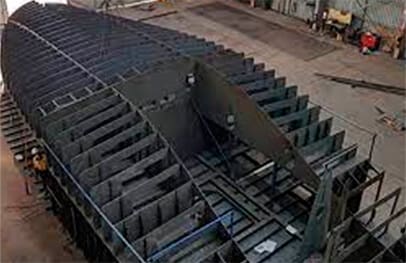
Carbon Shipbuilding Steel Plate
These plates are in high demand especially from oil and gas industry as they require thick plates of extremely good quality. Most of these are made according to the specifications of the customers and the steel used is certified because a small lamellar tear can be fatal.
Carbon Steel Plate Prices
Our Carbon Steel Plates prices will be available based on the current Philippine market, specifically, Metro Manila, Metro Cebu, and Metro Davao. Therefore, you are assured of a fair trade from us.
Frequently Asked Questions
Which is the best type of carbon steel plate for foundations of high-rise buildings and industrial warehouses in the Philippines?
There are two grades of carbon steel plates, for instance, the Philippine construction market uses when it comes to high-rise building foundations and industrial warehouses:
- ASTM A36 Steel Plate – the most common structural steel in the country, this plate is used for fabrication processes like welding (E70XX electrodes) and forming which makes it an ideal option to work on foundations of buildings and commercial structures.
- ASTM A572 Grade 50 Steel Plate – this plate has a higher yield point (minimum 50,000 psi or 345 MPa) than ASTM A36 which allows the use of this material in high-rise towers, long-span warehouses and bridge constructions without compromising good weldability and ductility.
Both steel plates pass the regulations set by the National Structural Code of the Philippines (NSCP 2015) and can be found in various places in the country. Talking from an engineering point of view, ASTM A572 Grade 50 is more preferable for heavy structures because of its strength and resistance to seismic shocks.
What is the price range per kg or per metric ton in Metro Manila. Key Provinces?
Unlike commodity steel products, carbon steel plate manufacturing features a broad spectrum of thickness specifications and additional treatments. Therefore it is impossible to provide an exact pricing list; however any procurement team should be aware of some general trends and guidelines:
- Material and Grade:
The price range for the most sought-after grades in the Philippines is as follows:
ASTM A36 and SS400 – 25,000 – 35,000 PHP per metric ton
ASTM A572 Grade 50 – 35,000 – 45,000 PHP per metric ton
AR400/AR500 – 50,000 – 80,000 PHP per metric ton
- Cutting and Finishing:
For plates purchased in standard sizes (4×8′ or 5×20′), the price per metric ton is calculated based on the aforementioned metric. For custom sizes additional cutting costs should be added to the final price depending on the complexity of the task. In most cases it is more cost-effective to utilize local steel plate cutting services that offer plasma or oxy-fuel cutting for a price of 200 – 600 PHP per linear meter.
- Delivery Location:
Since the Philippines is an insular country any transportation between islands adds to the final price of carbon steel plates. Within Metro Manila Bulacan and Cavite the delivery cost is lower due to the proximity of milling and shipping facilities. In comparison transport costs to Cebu (Visayas) and Davao (Mindanao) add up to 15 – 20% to the final price due to additional logistics and clearance expenses at the port.
Local steel plate dealers can provide competitive pricing based on the current international market situation for raw materials and exchange rates. It is also advisable to purchase steel in advance during periods of lower demand to secure better prices.
How do you protect the steel plates from corrosion and humidity during developments?
With the local climate being rather humid and rainy it is of utmost importance to protect the carbon steel plates from corrosion and atmospheric effects. In order to do this follow the recommendations below:
- Surface Preparation:
Prior to painting or additional treatment make sure to clean and profile the surface of the steel according to the SSPC-SP 10 / NACE No. 2 standard (Near-white blast clean). Doing so ensures that the coating will adhere to the steel surface properly.
- Painting:
It is recommended to apply a commercial-grade painting system that consists of the following components:
- a) Inorganic zinc-rich primer containing more than 80% zinc by weight;
- b) Epoxy intermediate coat;
- c) Polyurethane topcoat for UV-resistance.
For immersed structures use coal-tar epoxy or polyurethane systems for enhanced protection against water.
- Hot-Dip Galvanizing:
For projects exposed to a saline atmosphere (i.e. coastal areas) consider using hot-dip galvanized steel plates according to ASTM A123. Hot-dip galvanizing provides excellent protection against corrosion with minimal maintenance requirements.
With that said it is always a good idea to combine hot dip galvanizing with a paint topcoat for optimal protection. This method is particularly useful for piling works in coastal or estuarine environments.
What thickness and specification would you recommend for machinery, hoppers and mixing tanks?
There are several steel plate properties to consider when selecting the steel plate for machinery hoppers and mixing tanks. As a general rule of thumb the following recommendations apply:
- Storage and Pressure Vessels:
Utilize ASTM A283 or ASTM A516 Grade 70 steel plate. The latter is specifically designed for low-temperature service and offers improved notch toughness as well as superior graphitization resistance. Plates with thickness between 6 – 25 mm are recommended.
- Chutes, Hoppers, Mining Equipment:
Carbon steel plates such as ASTM A36 are subject to rapid abrasive and impact wear. For such applications consider using quenched and tempered wear resistant plates such as Hardox 400Hardox 500 (AR400/AR500). They offer three to five times better performance than conventional carbon steels under similar conditions.
- Common Thickness Guidelines:
For floor plates which are in the range of 6 – 12 mm, it is recommended to use checkered/diamond plates. Chutes and as well as other devices which experience moderate impact should use plates measuring from 12 to 25 mm. For heavy-duty equipment such as crushers and screening plants or for silos plates above 25 mm thick should be applied.
How can Philippine buyers confirm the quality and origin of imported carbon steel plates?
In the case of any building construction effort, it is important to check the quality characteristics of the steel plates imported to the region. To this end, three specific steps can be followed so as to ascertain the quality and authenticity of carbon steel plates brought into the country:
1. Obtain Original Mill Test Certificate (MTC)
Make sure your supplier can provide with original EN 10204 MTC for all the heats of steel. It is important to check whether the heat number written in the MTC is the same heat number engraved in the steel plates.
2. Carry out Physical Testing Upon receipt of the steel plates, verify their thickness by means of calipers or ultrasonic thickness testing to make sure that the thickness complies with required specifications; look for any signs of secondary rolling or downgraded steel a visual assessment of the plates in terms of quality of the surface and size.
3. Third-Party Lab Testing:
For large-scale infrastructure projects such as bridges or transmission towers it is advisable to send steel coupons to an independent lab for tensile bend testing and chemical analysis. Such tests are mandatory for government projects under DPWH guidelines. You can send the coupons to a laboratory of your choice such as MIRDC which is authorized to conduct metallurgical testing of metallic materials.