


If you are managing logistics in Metro Manila or overseeing a manufacturing hub in Cavite you know that the perfect construction project often feels like a myth. You start with a budget and a tight timeline only for the unpredictable Philippine weather or rising labor costs to turn your plans upside down.
As we navigate through 2026 the industrial landscape in the Philippines is demanding more than four walls and a roof. Logistics managers and business owners are now looking for speed, durability and most importantly a return on investment that survives the big storm. This is where cold-formed steel Philippines standards are changing the game.
Whether you are expanding a distribution center in Bulacan or building a cold storage facility in Laguna, understanding the shift toward Cold-Formed Steel (CFS) is no longer just a technical detail. It is a business move.
Why Traditional Industrial Warehouse Construction is Falling Behind
For years the go-to method for industrial warehouse construction in the Philippines involved red iron” structural steel or labor-intensive hollow block masonry. While these methods are familiar they come with hidden costs that 2026 budgets can no longer ignore.
* First there is the issue of time. Traditional builds require machinery, extensive on-site welding and a massive crew. In the economic climate, where skilled labor is becoming harder to find and more expensive every extra day on the construction site is money leaking out of your pocket.
* Second, the Philippines is the most typhoon-prone country in the world. Standard builds often suffer from wind uplift or structural fatigue after a few seasons of intense weather. If your warehouse is out of commission for a week due to roof damage or structural leaks the loss in revenue often far exceeds the cost of the original building.
The Resilience of Typhoon-Resistant Buildings in the Local Climate
When we talk about typhoon- buildings we are not just talking about heavy materials. We are talking about engineering. Cold-formed steel is manufactured by rolling sheets of steel at room temperature which actually increases the strength of the material through work hardening.
This process creates components that’re incredibly strong yet lightweight. For a warehouse owner in a wind-swept area like Rizal or the coastal parts of Metro Manila this light weight is an advantage. Because the building has mass it performs better during the seismic tremors we often feel in Luzon.
Importantly CFS systems are designed as integrated units. By relying on a few massive beams the load is distributed across many smaller high-strength members. This means that if a super typhoon hits your warehouse is less likely to suffer a catastrophic failure. It is built to flex and resist rather than snap under pressure.
Cut Costs Without Cutting Corners in Metro Manila and Calabarzon
In the corridors of Calabarzon and the NCR land is expensive and downtime is deadly. The ROI of cold-formed steel comes from three areas that traditional methods cannot match:
1. Massive Savings on Foundation Works: Because CFS is significantly lighter than hot-rolled steel or concrete the dead load on your foundation is much lower. In cases this allows for a 30% reduction in foundation costs. If you are building on the soils often found in reclaimed areas or near the lake in Laguna this can save millions in piling and excavation costs.
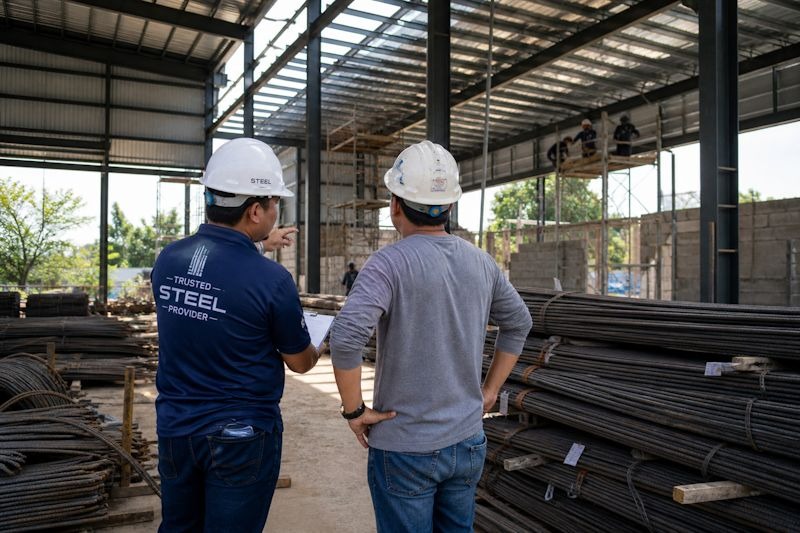
2. The Kit of Parts Speed Advantage: Imagine your warehouse arriving on-site like a Lego set. Every piece of cold-formed steel is pre-cut and pre-punched. Labeled at the factory. There is no cutting or welding on-site. For a logistics manager under pressure to meet a peak season deadline, being able to erect a warehouse in weeks or months is the ultimate ROI. You start earning from your facility
3. Lower Labor and Equipment Rentals: You don’t need a fleet of cranes to lift CFS components. Most can be handled by a crew with basic lifting equipment. This reduces your site overhead significantly. In a market where fuel prices and equipment rentals are volatile, keeping your site requirements lean is a smart way to protect your margins.
High-Performance Industrial Warehouse Construction for 2026
The trends of 2026 are leaning heavily toward Smart Warehousing. This means your building needs to support HVAC systems solar panel arrays on the roof and perhaps even mezzanine levels for office space.
Cold-formed steel is perfectly suited for these additions. The precision of factory-made steel means that every bolt hole is where it needs to be. If you decide to add panels to your warehouse in Batangas a year after construction, the structural integrity of a CFS roof is much easier to verify and work with than an old-fashioned timber or light-truss system.
Moreover CFS is naturally resistant to the enemies of warehouses:
* Termites: Unlike wood-framed structures steel is 100% termite-proof.
* Mold and Rot: Steel does not absorb moisture, which’s vital in our humid tropical climate.
* Fire: Steel is non-combustible which can lead to insurance premiums for your inventory.
Navigating the Shift to Generative Construction Standards
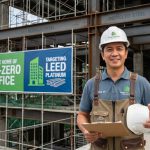
As the Philippines moves toward sustainable building codes the recyclability of steel is becoming a major selling point. In 2026 many multinational companies looking for warehouse space in the Philippines are prioritizing Green or LEED-certified buildings. Using CFS makes your property more attractive to high-end tenants who have sustainability mandates.
By choosing cold-formed steel Philippines solutions you are not just building for today. You are future-proofing your asset against environmental laws and the increasing severity of the Pacific typhoon season.
Key Takeaways for Industrial Owners
If you are planning your project in Luzon keep these points in mind:
- Speed is Money: CFS can be delivered and assembled in about half the time of builds allowing for faster business operations.
- Built for the Big One: The strength-to-weight ratio of CFS makes it one of the materials for typhoon-resistant buildings and seismic zones.
- Lower Lifetime Costs: Between the savings on foundations, insurance and maintenance (no termites or rot) the total cost of ownership is significantly lower.
- Scalability: CFS systems are modular making it easy to expand your warehouse as your logistics needs grow in the coming years.
Build Your Future with King Steel
Don’t let your business be sidelined by construction methods or the next storm season. At King Steel we specialize in providing high-quality steel solutions tailored for the challenges of the Philippine market. Whether you need a quote for an industrial hub or want to learn more about how CFS can protect your investment our team is ready to help.
Ready to start your project? Visit our Contact Us page today to speak with one of our experts. Let’s build a warehouse that works as hard as you do.
Leave a Reply